
道場TOP ネタ一覧 shoppq道場
What is the current standing of Motorola phones?
- ◇評価 0ポイント
- ◇閲覧回数 36回
- ◇登録日
- 2026年10月12日
-
- aline
- 道場主
Lv.23
The Motorola of 2026 is a completely different entity from the company that was sold to Lenovo a decade ago. Its current product lineup is built around four main pillars: the entry-level Moto E, the volume-driving Moto G, the mid-to-high-end Edge series, and the foldable Razr. Additionally, 2026 saw the emergence of a new flagship series called "Signature," as well as the Razr Fold—Motorola's first book-style foldable.
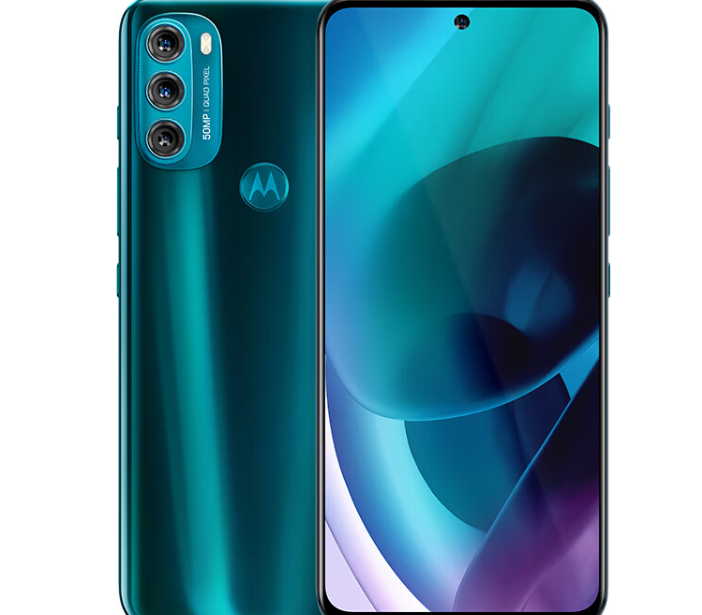
This article won't go through every single product line. Instead, I want to discuss how Motorola’s approach to making phones compares to Samsung, Google, and OnePlus—specifically, where it falls short and where it excels.
The flagship strategy: Thinness and fast charging, but software is another story
Motorola Signature is the new series Motorola is using to target the high-end market. A review by *Trusted Reviews* offered a grounded assessment: the screen is excellent, the camera is competitive, and charging is fast, yet it "doesn't feel like the luxury upgrade the brand claims it to be." At 7mm thick and weighing 186g, it is actually thicker and heavier than the company's own Edge 70, so the idea that "Signature equals thinnest and lightest" doesn't really hold water.
It features a 5,200mAh silicon-carbon battery paired with 90W fast charging, along with a triple-camera setup on the back consisting of three 50-megapixel lenses (main, ultra-wide, and 3x periscope telephoto). Real-world testing shows that battery life is a non-issue; it easily lasts through a full day of use.
However, a recurring issue in reviews is the software. One outlet noted that the UI "can look cluttered at times" and the AI ​​features are "disorganized." Another review bluntly described the software as "bloated" and the AI ​​experience as a "total mess."
Motorola is aware of this problem. In 2026, they shifted their brand positioning toward "lifestyle tech," incorporating materials like wood, wool, and Alcantara to appeal to a younger demographic. While this direction is sound in principle, a smartphone isn't a fashion accessory; aesthetics and materials alone aren't enough to sustain a high-end series. Razr Fold: Motorola’s first book-style foldable—great battery, otherwise average
After years of producing clamshell-style Razr phones, Motorola finally released its first horizontal-folding device, the Razr Fold, in 2026. It is priced at $1,900 in the US and starts at 9,999 RMB in China.
The device's standout feature is its battery. It packs a 6,000mAh cell; *The Verge* explicitly called this "its biggest asset." The external display measures 6.6 inches with a 165Hz refresh rate and a peak brightness of 6,000 nits, while the internal display boasts similar specifications.
However, *The Verge* summed it up bluntly with the headline: "Razr Fold is stuck in the middle." While the battery is excellent, other aspects are "unremarkable." There are inconsistencies in image processing, limited split-screen options, and achieving the fastest charging speeds requires purchasing Motorola’s proprietary charger.
*CNET* echoed this sentiment: the design is attractive, the camera is solid, and the battery is impressive, but given the $1,900 price tag, one has to accept that in many areas, the device is merely "adequate" rather than "outstanding."
In short, the Razr Fold proves Motorola is capable of making a decent horizontal-folding phone, but it fails to demonstrate that it can create one superior to the Samsung Galaxy Z Fold.
Software updates: Motorola’s real Achilles' heel
Motorola’s hardware is solid, and its designs are distinctive. However, if you plan to keep a phone for more than three years, Motorola’s software support policy becomes a major hurdle.
In early 2026, Motorola promised only two years of system updates and two years of security updates for its latest entry-level Moto G models—without even guaranteeing a single major Android version upgrade. In contrast, Samsung promised four years of system updates and five years of security updates for its mid-range A-series that same year. The flagship Razr series fared slightly better, yet the 2026 Razr lineup (excluding the Fold) offered only three years of Android updates, whereas Samsung and Google provided seven years for devices in the same price range.
Even more problematic is the quality of the updates themselves. In early 2026, Motorola rolled out a system update that caused issues for many Razr users, with apps like Facebook, WhatsApp, and X malfunctioning on the external display. A year prior, a Motorola Android 15 update rendered some phones unusable; one user reported that their 2023 Razr Plus was among the affected devices.
Motorola has adopted a "multi-pronged" approach to AI, integrating Google Gemini, Microsoft Copilot, and Perplexity—becoming the first smartphone brand worldwide to build Perplexity directly into its devices. While this strategy makes business sense, the user experience suffers: features are scattered across various entry points, and none feel fully polished. This is precisely what the *Signature* review meant by "chaotic AI functionality."
So, are Motorola phones worth buying?
It depends on what you’re looking for.
If you prioritize distinctive styling, a lightweight feel, fast charging, and solid battery life—and aren't overly concerned about getting the latest OS updates—Motorola’s mid-range and select high-end models have their appeal. The ultra-slim models in the Edge series, in particular, offer a unique in-hand feel that sets them apart from most other phones.
However, if you want a phone that stays up-to-date with mainstream standards for three years, or you desire a cohesive, intuitive AI experience, Motorola currently falls short. While its hardware and design are improving, the company cannot simply make up for its software shortcomings by piling on a handful of AI partners.
The hardware itself is decent; it’s the software system running on it that holds the experience back.
MOTOROLA 5000mAh/19.55WH 3.91V QM50 Battery for Motorola PHONE
|
|
【キーワード】
登録されていません
|

|
  |

|
ブログ? そんなの必要ありません! 今日から、いきなりアフィリエイトスタート!
【まにあ道アフィリエイト】まにあ道ならAmazonアソシエイトIDを利用してネタを書くだけで、お気軽に始めていただけます。


 New Battery Surveying Equipment Batteries Topcon 7.2V 1400mAh/10.08Wh(0)





 シュリのおすすめネタ
 この道場の人気ネタ
-

New battery DK052 6000mAh/22.8Wh 3.8V ... -
New battery BA-0156A0 6000mAh/23.1Wh 3... -
New battery BAT21ZN1336000 6000mAh/23.... -
The Jumper U3285131P-2S: A Battery Tha... -
New battery TLI014A2 1400mAh/5.2WH 3.7...
このネタをソーシャルブックマークに登録する
 まにあ道の人気ネタ
-
altissima qualità Batteria per AS... -
メイド服の由来 -
Buy RECENT RB-35 RECENT 7.4V 1150mAh/... -
note-pc.co【 CL2041-6S1P-01 】,低価格、1年間保証... -
Lenovo L21D4P75 laptop batterij 6210mA...
コメントはまだありません。