
TOP > コンピュータ > machii-little道場 > ネタ
道場TOP ネタ一覧 machii-little道場
Sennheiser Momentum TW2 vs. TW3: A Classic Finale and a Comprehensive Evolution
- ◇評価 0ポイント
- ◇閲覧回数 10回
- ◇登録日
- 2026年8月5日
-
- machii-little
- 道場主
Lv.30
In the world of true wireless earbuds, Sennheiser stands apart. While other brands obsessively pile on technical specifications, Sennheiser lets the sound speak for itself. Since its debut, the Momentum True Wireless series has been hailed by audiophiles as the "gold standard" for sound quality in the category, thanks to performance that surpasses its peers. The 2020 Momentum TW2 cemented this reputation, while the 2022 Momentum TW3 represents a complete overhaul from the inside out. With both generations still commanding a loyal following on the secondhand and clearance markets, the question remains: should you pay for the "classic tuning" or embrace the "comprehensive evolution"? This article breaks it all down for you.
I. Design and Fit: From "Solid and Business-like" to "Lightweight and Unobtrusive"
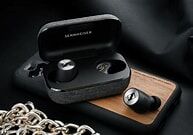
Place the two pairs side-by-side, and the most immediate difference is size. The TW2 features larger housings—weighing about 6g per earbud—that feel substantial when worn, making them less comfortable for users with smaller ears. They retain Sennheiser’s signature laser-etched metal faceplates and circular touch zones, projecting a serious, business-like aesthetic akin to a piece of precision equipment. The charging case is a fabric-wrapped rectangle; while it boasts a premium feel, its bulkiness makes it a poor fit for tight jeans pockets.
The TW3 completely breaks away from this design language. The housings are significantly smaller—dropping to about 5.8g per earbud—and feature an ergonomic, twist-to-fit design. Stability and comfort are vastly improved, making them feel almost weightless during extended use. The charging case has shifted to a slim, rounded design; it retains the fabric finish but is thinner and more portable. The faceplate design is also more modern and minimalist, ditching the intricate concentric metal rings for a more youthful look. If you are particularly sensitive to the sensation of foreign objects in your ears, the TW3’s upgrades make a world of difference.
II. Active Noise Cancellation (ANC): From "Barely There" to "Truly Effective"
Noise cancellation marks the biggest divide between the two generations. The TW2 was released when true wireless noise-cancellation technology had not yet fully matured; its ANC was merely a "check-the-box" feature. While it filtered out steady low-frequency noises like air conditioners and fans to some extent, it was largely ineffective against mid-to-high-frequency sounds like human voices or typing, and activating it introduced a slight background hiss. Consequently, many users simply kept noise cancellation turned off, relying instead on passive isolation.
In contrast, the TW3 features an adaptive noise-cancellation system that significantly upgrades both the depth and breadth of noise suppression. It automatically adjusts intensity based on ambient noise, effectively filtering out the roar of subway trains during commutes and background office chatter. It also excels at controlling background hiss, ensuring that audio quality remains virtually unaffected when the feature is active. The Transparency Mode (ambient sound) has also evolved; gone is the harsh, digital sound of the TW2, replaced by a natural, open quality that allows for brief conversations without removing the earbuds. In short: the TW2’s noise cancellation was a mere bonus, whereas the TW3’s is a core feature.
III. Sound Quality: Both are strong contenders, but with different sonic profiles
This is Sennheiser’s home turf and the primary reason many struggle to choose between the two models.
The TW2 is equipped with a 7mm dynamic driver and supports the aptX codec, delivering a sound profile that is rich, warm, and easy to listen to for extended periods. Its low-end offers both quality and quantity—punchy and elastic without being boomy or fatiguing. Mid-range vocals feel intimate and close, carrying a touch of warm, analog-like character that makes it ideal for pop vocals, jazz, and small-ensemble instrumentals. While the soundstage isn't massive, the imaging is precise, and the sense of layering is top-tier for true wireless earbuds. That rich, composed "Sennheiser sound" has made the TW2 a modern classic among audiophiles.
The TW3 doesn't simply replicate its predecessor; it retunes the audio entirely. While it retains the same 7mm driver size, it supports the higher-bitrate aptX Adaptive codec (offering both high bitrate and low latency). Its sound signature leans toward a modern Hi-Fi aesthetic: the bass is tighter and faster with sharp transient response; the mids offer greater transparency and more defined imaging; and the high-end extends further, revealing rich harmonic detail. The overall listening experience has shifted from the TW2’s "warm, twilight-like tone" to the TW3’s "bright, crisp, morning-like clarity." The TW3 is better suited for instrumental music, ACG, large-scale classical works, and users who prioritize high resolution. Neither is objectively superior; it is largely a matter of taste—the TW2 is like a rich, mellow latte, while the TW3 is more like a clean, crisp pour-over coffee.
IV. Battery Life and Connectivity: TW3 Addresses the Final Shortcomings
Battery Life: The TW2 offers about 7 hours of playback per charge, with a total of 28 hours including the charging case. The TW3 also offers around 7 hours per charge; while the total battery life remains unchanged, it adds wireless charging, allowing for convenient power-ups simply by placing the case on a charging pad.
Connectivity: The TW2 occasionally suffered from minor issues like single-earbud disconnection or poor contact with charging pins. The TW3 features an improved antenna design and Bluetooth 5.2, resulting in more stable connections, lower latency, and better lip-sync accuracy when watching videos.
App Features: Both models support Sennheiser’s Smart Control App, allowing for custom EQ settings and touch control adjustments. However, the TW3 adds a "Sound Zones" feature that automatically switches noise-cancellation modes based on location, offering a more intelligent user experience.
V. Which One Should You Buy Now?
Who is the TW2 for?
Audiophiles on a budget who prioritize exceptional mid-range vocals and a warm sound signature.
Commuters who aren't overly sensitive to ambient noise or don't rely on noise cancellation, but simply want a pair of great-sounding earbuds.
Experienced users willing to accept larger earbud housings and older firmware. Currently, the TW2 is available only via the second-hand market or limited remaining stock; its highly attractive price point offers excellent value for money.
Who is the TW3 for?
Users who need reliable noise cancellation for mixed scenarios such as commuting, office work, and business travel.
Users who prioritize wearing comfort and cannot tolerate a sensation of pressure or fullness in their ears.
Users who prefer a modern Hi-Fi sound profile characterized by high resolution and wide dynamic range.
Users who want wireless charging, stable connectivity, and a smarter app experience.
Conclusion
The Momentum TW2 stands as a benchmark for sound quality in the true wireless sector, proving that "wireless can be Hi-Fi." Its warm, mellow, and rich sound signature remains irreplaceable to this day. The Momentum TW3 represents a mature, all-around evolution—featuring improved fit, capable noise cancellation, and a more modern sound profile—transforming it from a "niche audiophile toy" into a "reliable, all-scenario companion for daily use." If you have a deep attachment to the classic Sennheiser sound, the TW2 is worth keeping; however, if you simply want a great pair of headphones to accompany you across every corner of the city, the TW3 is the more rational choice.
Headphones battery 14500CY-900 For Sennheiser momentum TW2 TW3
|
|
【キーワード】
登録されていません
|

|
  |
ブログ? そんなの必要ありません! 今日から、いきなりアフィリエイトスタート!
【まにあ道アフィリエイト】まにあ道ならAmazonアソシエイトIDを利用してネタを書くだけで、お気軽に始めていただけます。


-

-
 Sennheiser Momentum TW2 vs. TW3: A Classic Finale and a Comprehensive Evolution(0)
machii-little
(道場主)
Sennheiser Momentum TW2 vs. TW3: A Classic Finale and a Comprehensive Evolution(0)
machii-little
(道場主)





 シュリのおすすめネタ
 この道場の人気ネタ
-
Replacement battery Lithium-ion batter... -
Replacement battery Mobile Computers P... -
Replacement battery Headphones battery... -
Replacement battery 752886 -
Laptop battery U529068PV-3S1P RTDPART ...
このネタをソーシャルブックマークに登録する
 まにあ道の人気ネタ
-
Choosing the Right Home Office Furnitu... -
Research Proposal Writing – Guid... -
シャネル ロエベiphone 17 Galaxy s26 ケースシュプリーム... -
ブランドプラダiphone 17 シャネルGalaxy s26ケースクロムハ... -
グッチ ザノースフェイスiphone 17 Galaxy s26 a55ケー...
コメントはまだありません。